


All Products
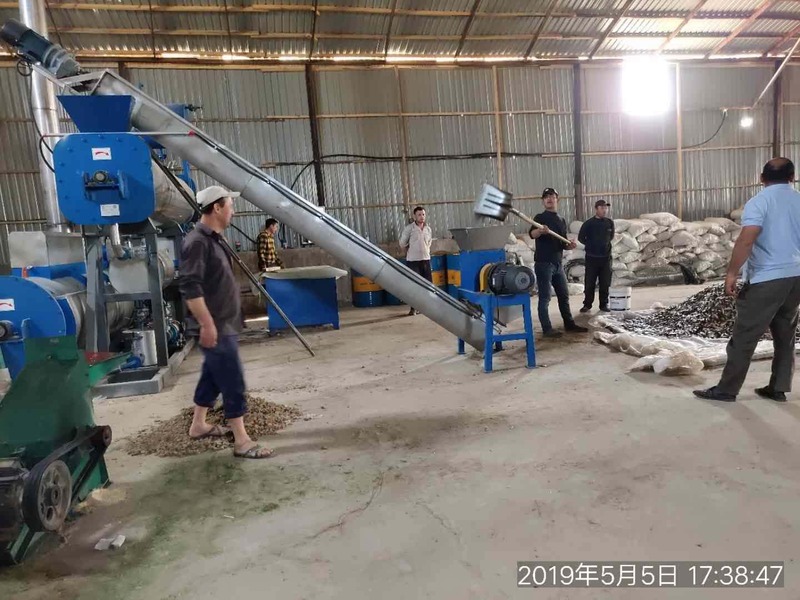
Product Details
| Powerrequirement | Depends On Capacity, Typically 50-200 KW | Operatingtemperature | Typically 100-150°C During Drying |
|---|---|---|---|
| Productname | Fish Meal Plant | Automationlevel | Semi-automatic To Fully Automatic |
| Function | Processing Fish Into Fish Meal | Installationtype | Stationary Or Mobile |
| Energysource | Electricity, Diesel Engine (optional) | Outputproduct | Fish Meal, Fish Oil |
| Highlight | Equipped Fish Feed Plant,Automatic Fish Feed Plant,Automatic Fish Feed Plant |
||
Product Description
Fully Automatic Fish Feed Plant Equipped Line
Product Overview
The Fish Meal Plant is an advanced facility designed to efficiently process fish into high-quality fish meal, an essential ingredient in animal feed and aquaculture industries. This plant offers solutions ranging from semi-automatic to fully automatic operations, allowing optimization based on specific requirements and budget constraints.
The core process involves fish gutting, cutting, cooking, pressing, drying, and grinding. Integrated equipment such as Fish Gutting Machines and Fish Cutting Machines ensure efficient raw material preparation, minimizing waste and maximizing yield.
The plant features adaptable energy sources, operating primarily on electricity with an optional diesel engine for locations with inconsistent power supply. Power requirements range from 50-200 KW depending on capacity, accommodating small to large-scale production demands.
Installation options include both stationary configurations for permanent facilities and mobile setups for transportation to different sites, particularly beneficial for fishing communities processing fish close to the source.
Technical Specifications
| Material | Stainless Steel And Carbon Steel |
|---|---|
| Energy Source | Electricity, Diesel Engine (optional) |
| Application | Animal Feed, Aquaculture Feed, Fertilizer |
| Power Requirement | Depends On Capacity, Typically 50-200 KW |
| Function | Processing Fish Into Fish Meal |
| After-sales Service | Installation, Training, Maintenance Support |
| Capacity | 1-10 Tons Per Hour |
| Warranty Period | 1-2 Years |
| Moisture Content of Output | Less Than 10% |
| Automation Level | Semi-automatic To Fully Automatic |
Applications
The Fish Meal Plant processes fish into high-quality fish meal with moisture content below 10%, preserving nutritional value and extending shelf life. Operating temperatures during drying range from 100 to 150°C.
Primary applications include:
- Animal feed production, particularly as fish feed additives
- Aquaculture feed formulations for nutritional balance and palatability
- Integration with Fish Floating Feed Machines for floating fish pellets
- Organic fertilizer providing essential soil nutrients
The plant is ideal for fish processing facilities, aquaculture farms, and fertilizer manufacturers requiring high-grade fish meal for modern feed additives and floating fish feed plants.
Customization Options
Our Fish Meal Plant offers comprehensive customization services using raw materials including fish, fish waste, and fish by-products to produce high-quality fish meal and fish oil.
Customization features include:
- Flexible energy sources (electricity or optional diesel engine)
- Compatibility with fish feed extruders for enhanced product quality
- Production of premium dried fish powder for animal feed and fertilizer
- Complete aftersales services including installation, training, and maintenance
Support and Services
Our dedicated technical support team ensures optimal performance and reliability through:
- Comprehensive installation guidance
- Routine maintenance services and troubleshooting
- Detailed operation manuals and training programs
- Spare parts supply and upgrade consulting
Our professional services help achieve sustainable and cost-effective fish meal production with the latest technology advancements.
Packing and Shipping
Fish meal is carefully packed in durable, moisture-resistant bags or sacks with specific weights for easy handling. Packaging materials protect against contamination, moisture, and pests.
For shipping, bags are securely stacked on pallets and wrapped with industrial-grade plastic film. We use reliable transportation methods (trucks and shipping containers) that maintain appropriate conditions, with detailed documentation for traceability and regulatory compliance.
Frequently Asked Questions
What is a Fish Meal Plant used for?
A Fish Meal Plant processes fish and fish by-products into fish meal, a high-protein ingredient used in animal feed, aquaculture, and fertilizer production.
What are the main components of a Fish Meal Plant?
Main components include fish receiving and washing systems, cooking units, pressing machines, drying equipment, grinding mills, and packaging systems.
What types of raw materials can be processed?
The plant processes whole fish, fish offal, fish bones, and other fish by-products to produce high-quality fish meal.
What is the production capacity range?
Production capacity varies by model, typically processing from 1 ton to over 20 tons of raw fish material per hour.
How energy-efficient is the Fish Meal Plant?
Modern plants incorporate energy-saving technologies including heat recovery systems and efficient drying processes to minimize energy consumption and operational costs.
Recommended Products
