


All Products
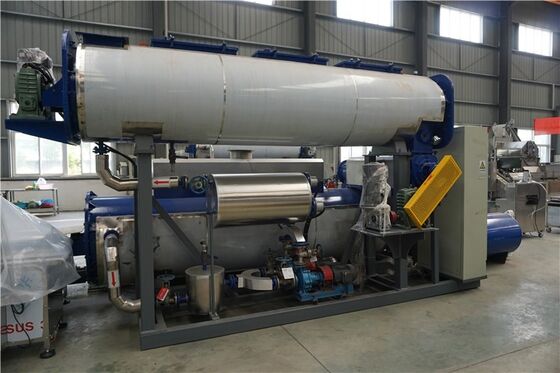
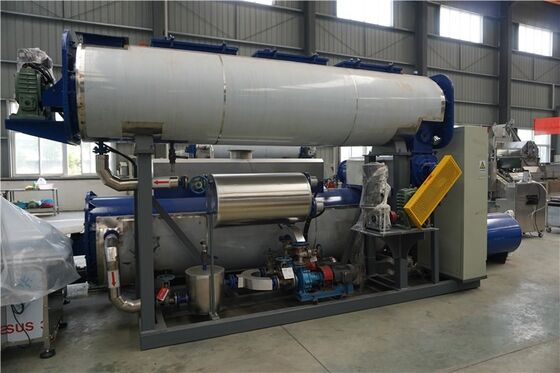
500kg Electrical Heating Fish Meal Plant Stainless Steel And Carbon Steel Fish Meal Production Line

Product Details
| Powersource | Electricity | Fatcontentinoutput | 8-12% |
|---|---|---|---|
| Installationtype | Stationary Or Mobile | Environmentalcompliance | Meets Local Environmental Regulations For Waste Processing |
| Material | Stainless Steel And Carbon Steel | Outputproduct | Fish Meal, Fish Oil |
| Automationlevel | Semi-automatic Or Fully Automatic | Moisturecontentinoutput | Less Than 10% |
| Highlight | 500kg Fish Meal Plant,Electrical Heating Fish Meal Production Line,Stainless Steel Fish Meal Plant |
||
Product Description
Product Description:
The Fish Meal Plant is a specialized facility designed to efficiently process fish into high-quality fish meal and fish oil. This plant plays a crucial role in the aquaculture and animal feed industries by converting raw fish materials into valuable products used primarily as ingredients in fish feed and other animal nutrition formulations. The Fish Meal Plant is an essential component of the Fish Feed Processing Line and is particularly well-suited for producing ingredients for Floating Fish Feed Plants and dried seafood products.
One of the key outputs of the Fish Meal Plant is fish meal, a nutrient-rich powder that is widely used as a protein source in aquaculture feeds. In addition to fish meal, the plant also produces fish oil, which is extracted during the processing and is a valuable source of essential fatty acids important for the health and growth of farmed fish. The fat content in the fish meal produced by this plant typically ranges between 8-12%, ensuring a balanced nutritional profile that meets the standards required for high-quality fish feed formulations.
The power requirement of the Fish Meal Plant depends largely on its capacity, typically ranging from 50 to 200 kilowatts (KW). This flexibility allows the plant to cater to various scales of production, from small to large operations. The plant primarily utilizes electricity as its energy source to power the machinery and processing equipment. However, for locations where electrical infrastructure is limited or unreliable, an optional diesel engine can be integrated to provide a consistent and efficient energy supply. This dual energy option ensures that the Fish Meal Plant can operate smoothly under diverse circumstances and geographical locations.
The main function of the Fish Meal Plant is to process raw fish materials into dried seafood products such as fish meal and fish oil, which are essential components in the aquaculture industry. The processing involves several stages including cooking, pressing, drying, grinding, and packaging. During these steps, the fish is cooked to separate the oil and water from the solid protein matter, which is then dried and ground into the final fish meal product. This method ensures maximum yield and quality, while maintaining the nutritional integrity of the fish meal and fish oil.
The Fish Meal Plant’s role in the Fish Feed Processing Line is indispensable, as it provides the foundational ingredients required for producing floating fish feed pellets. These pellets are designed to float on water, making them ideal for feeding fish in aquaculture farms. By supplying fish meal and fish oil with consistent quality and nutritional value, the plant supports the production of effective and healthy floating fish feed that promotes optimal growth and health in farmed fish species.
Moreover, the fish meal produced by this plant can also be used in the formulation of various dried seafood products, broadening its application beyond aquaculture feeds. The controlled processing environment and advanced technology integrated into the Fish Meal Plant ensure that the final products meet stringent quality standards, including proper fat content, moisture levels, and particle size. This attention to detail enhances the usability of fish meal in different feed formulations and dried seafood applications.
In summary, the Fish Meal Plant is a vital piece of equipment within the Fish Feed Processing Line, designed to convert raw fish into high-quality fish meal and fish oil with a fat content of 8-12%. It operates on an energy-efficient system powered by electricity, with an optional diesel engine to accommodate varied operational needs. Its primary function is to support the production of nutritious ingredients for floating fish feed plants as well as to supply dried seafood products, making it an indispensable asset for fisheries, aquaculture businesses, and feed manufacturers globally.
Features:
- Product Name: Fish Meal Plant
- Power Source: Electricity
- Automation Level: Semi-automatic or Fully Automatic
- Moisture Content in Output: Less Than 10%
- Installation Type: Stationary or Mobile
- Energy Source: Electricity, Diesel Engine (optional)
- Includes Fish Feed Dryer for efficient drying
- Processes Fish Feed Raw Material effectively
- Advanced Fish Feed Processing Machine technology
Technical Parameters:
| Raw Material | Various Types Of Fish And Fish Waste |
| Environmental Compliance | Meets Local Environmental Regulations For Waste Processing |
| Function | Processing Fish Into Fish Meal |
| Fat Content in Output | 8-12% |
| Power Source | Electricity |
| Energy Source | Electricity, Diesel Engine (optional) |
| Automation Level | Semi-automatic Or Fully Automatic |
| Material | Stainless Steel And Carbon Steel |
| Output Product | Fish Meal, Fish Oil |
| Power Requirement | Depends On Capacity, Typically 50-200 KW |
Applications:
The SSS Fish Meal Plant, available in models YF300, YF500, YF1000, and YF2000, is designed to efficiently process fish into high-quality fish meal and fish oil. This plant is ideal for a variety of application occasions and scenarios, providing a versatile solution for fish processing needs. Whether you operate a small-scale fishing operation or a large commercial fishery, the SSS Fish Meal Plant caters to different production capacities and operational requirements.
One of the primary scenarios for using the SSS Fish Meal Plant is in coastal fishing villages and processing centers where fresh fish need to be quickly converted into fish meal to preserve nutrients and reduce waste. The plant’s stationary or mobile installation options offer flexibility, allowing it to be set up onsite near fishing docks or transported to different locations as needed. This adaptability is particularly beneficial for companies engaged in both fixed and mobile fish processing operations.
The product is powered by electricity, ensuring energy-efficient and environmentally friendly operation. Importantly, the SSS Fish Meal Plant meets local environmental regulations for waste processing, making it a responsible choice for businesses seeking to minimize their ecological footprint. The plant’s compliance with environmental standards ensures that fish waste is processed safely, reducing pollution and contributing to sustainable fishery practices.
In addition to processing fish into fish meal and fish oil, the plant works seamlessly alongside complementary equipment such as the Floating Fish Feed Machine, Fish Feed Dryer, and Fish Feed Pellet Machine. These machines collectively enhance the production line by enabling the creation of high-nutrient fish feed products. This integration is ideal for aquaculture farms and fish feed manufacturers looking to produce premium feed pellets that promote healthy fish growth.
Another typical application occasion includes aquaculture farms that require on-site processing of fish byproducts into valuable feed ingredients. By utilizing the SSS Fish Meal Plant together with a fish feed dryer and pellet machine, these farms can efficiently recycle fish waste, reduce feed costs, and improve sustainability. The plant’s robust design and reliable performance also make it suitable for industrial fish processing factories aiming to maximize output while adhering to environmental standards.
In summary, the SSS Fish Meal Plant is a versatile, environmentally compliant solution for converting fish into fish meal and fish oil. Its ability to operate in stationary or mobile setups, powered by electricity, and its compatibility with floating fish feed machines, fish feed dryers, and pellet machines, make it an excellent choice for fisheries, aquaculture farms, and fish feed producers across various application occasions and scenarios.
Customization:
SSS offers customized Fish Meal Plant solutions designed to meet your specific processing needs. Our models YF300, YF500, YF1000, and YF2000 provide flexibility with semi-automatic or fully automatic automation levels to optimize your production line. Whether you require a stationary or mobile installation type, our plant is engineered to efficiently process fish into high-quality fish meal and fish oil.
Our Fish Meal Plant complies with local environmental regulations for waste processing, ensuring eco-friendly operations. The system integrates advanced equipment such as the Floating Fish Feed Machine, Fish Feed Extruder, and Fish Cutting Machine to enhance productivity and product consistency. Trust SSS to deliver reliable and customizable fish meal processing solutions tailored to your business.
Support and Services:
Our Fish Meal Plant product comes with comprehensive technical support and services to ensure optimal performance and longevity. We provide expert guidance during the installation and commissioning phases to guarantee a smooth startup. Our team offers regular maintenance services, including inspections, troubleshooting, and repairs, to minimize downtime and maximize efficiency.
We also supply detailed user manuals and operational training for your staff to enhance their understanding and handling of the equipment. Additionally, we offer customized solutions and upgrades tailored to your specific production needs. Our dedicated support team is committed to assisting you with any technical inquiries or challenges that may arise throughout the lifecycle of the Fish Meal Plant.
With our proactive maintenance programs and prompt spare parts supply, we strive to maintain the highest standards of reliability and customer satisfaction for your Fish Meal Plant operations.
Packing and Shipping:
Our Fish Meal Plant product is carefully packaged to ensure maximum freshness and quality during transportation and storage. The fish meal is typically packed in durable, moisture-resistant bags, each weighing 25kg or 50kg, depending on customer requirements. These bags are designed to protect the product from contamination, moisture, and physical damage.
For bulk orders, the fish meal is loaded into jumbo bags or bulk containers, ensuring safe handling and efficient shipping. All packaging materials comply with international food safety standards to maintain the product's integrity.
Shipping is carried out using refrigerated containers when necessary to preserve the quality of the fish meal. We work with reliable logistics partners to deliver the product promptly to our customers worldwide, ensuring timely and secure delivery.
FAQ:
Q1: What are the different models available for the SSS Fish Meal Plant?
A1: The SSS Fish Meal Plant is available in four models: YF300, YF500, YF1000, and YF2000, each designed to cater to different production capacities.
Q2: What is the production capacity of the SSS Fish Meal Plant models?
A2: The production capacity varies by model: YF300 is suitable for small-scale production, YF500 and YF1000 are for medium-scale, and YF2000 is designed for large-scale fish meal processing.
Q3: What raw materials can be processed using the SSS Fish Meal Plant?
A3: The SSS Fish Meal Plant can process various types of fish and fish by-products, including fish waste, scraps, and small fish, converting them efficiently into high-quality fish meal.
Q4: Is the SSS Fish Meal Plant energy efficient?
A4: Yes, the SSS Fish Meal Plant models are designed with energy-saving technology to ensure efficient operation while minimizing energy consumption.
Q5: How easy is it to operate and maintain the SSS Fish Meal Plant?
A5: The SSS Fish Meal Plant is user-friendly with straightforward operation procedures. It also features easy maintenance with accessible components to minimize downtime.
Recommended Products
-
VIDEO

-
VIDEO